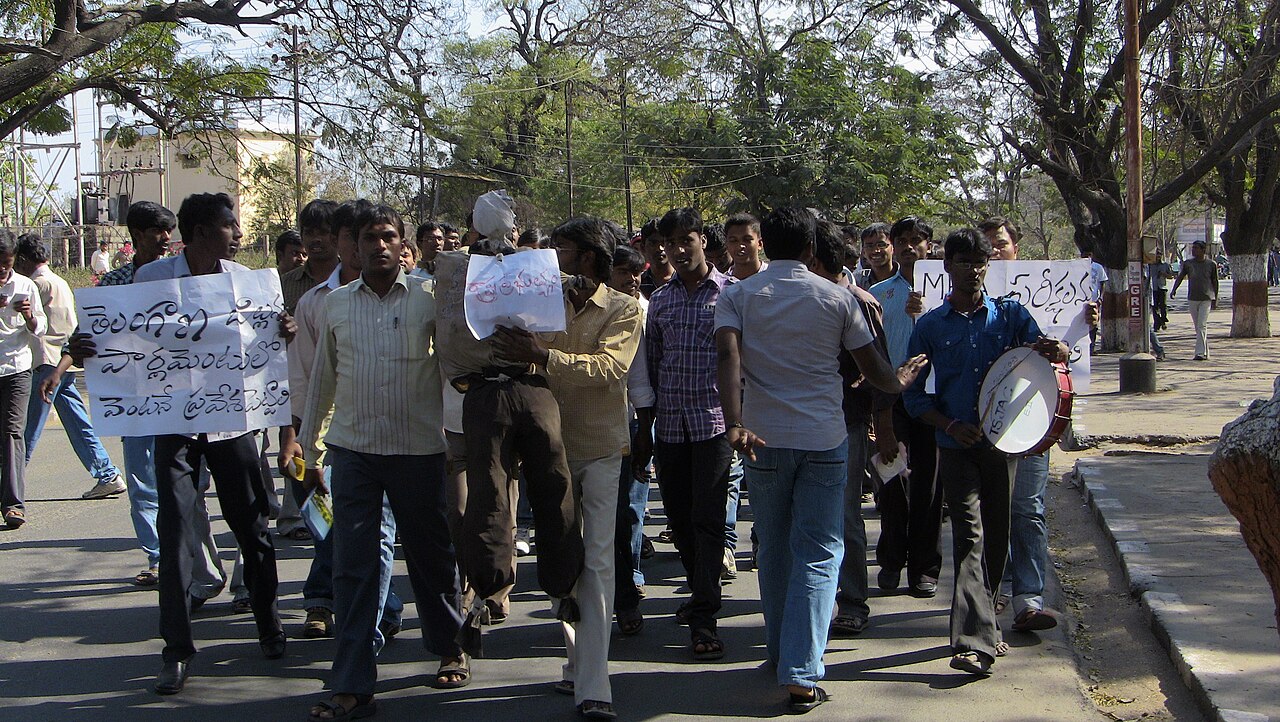
The movement was larger than any single party or leader. It travelled through students, employees, farmers, workers, poets, singers, scholars, political organisers and families across generations.
02 JUNE 2014Telangana became India’s 29th state under the Andhra Pradesh Reorganisation Act, 2014.Read the Act
01
THE FAST · NOVEMBER–DECEMBER 2009
KCR’s fast and a national turning point
KCR began an indefinite fast on 29 November 2009. Eleven days later, Union Home Minister P. Chidambaram announced that the process of forming Telangana would be initiated. The announcement, its later uncertainty, and the mobilisation that followed opened the movement’s decisive final phase.
Short, sourced introductions—not a complete ranking or list. Open each source to read more.
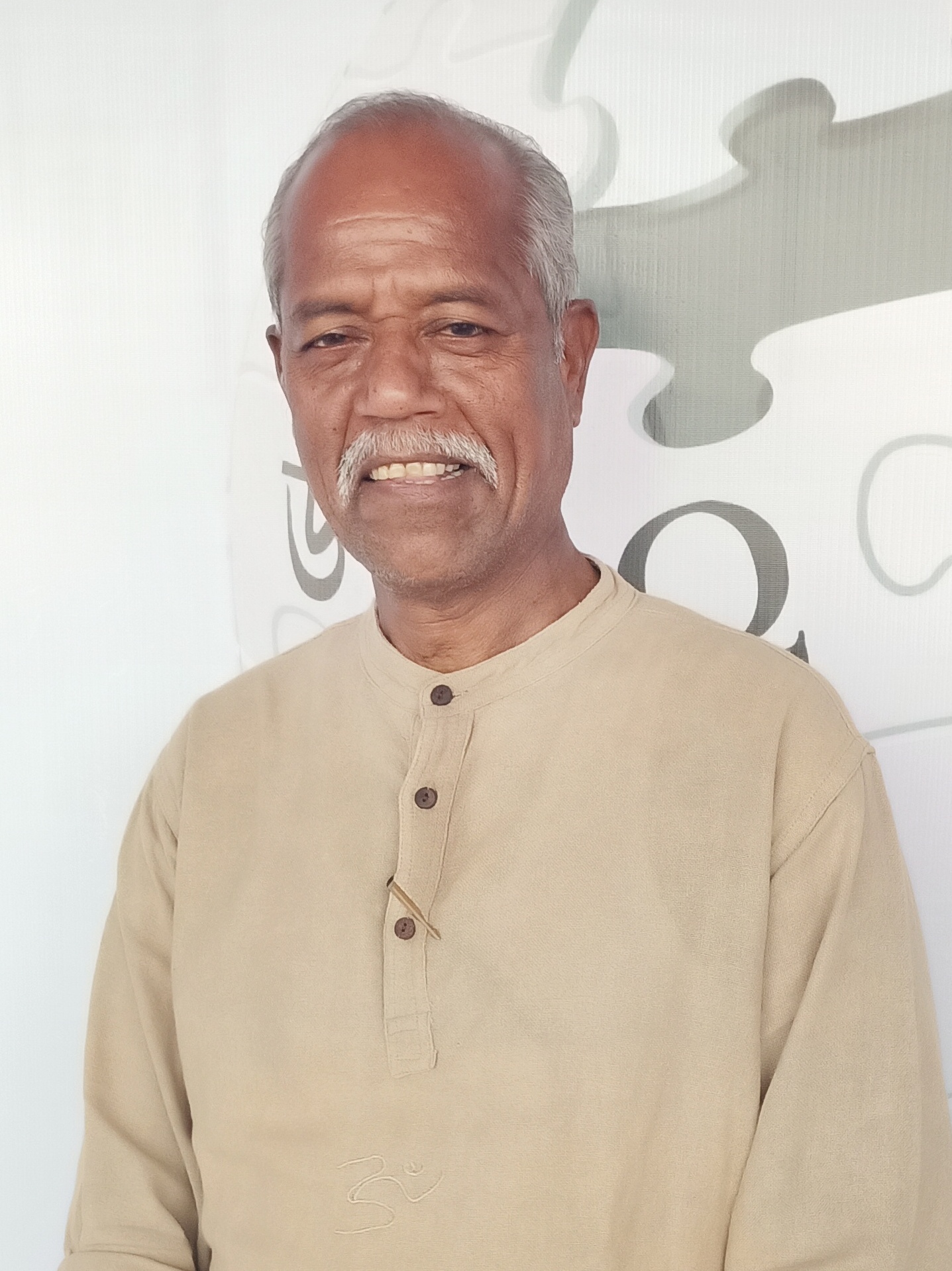
01Photo supplied by the site owner
Political leadership · 2001–2014
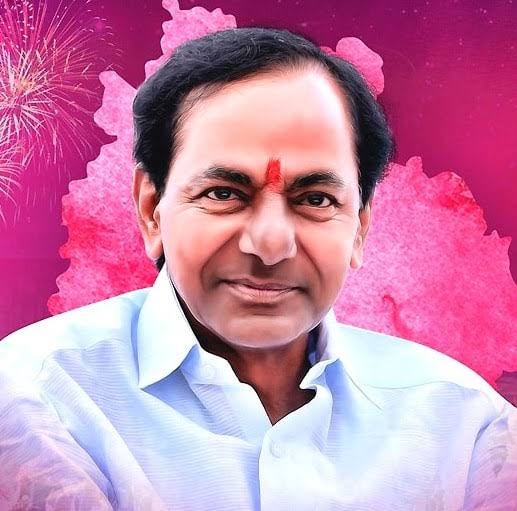
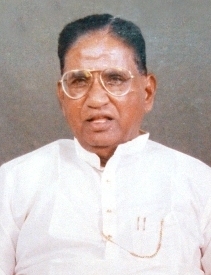
K. Chandrashekar Rao (KCR)
Founded the Telangana Rashtra Samithi in 2001 around the demand for statehood. His fast beginning on 29 November 2009 became a decisive political moment; the Union government announced on 9 December that the process for forming Telangana would begin.
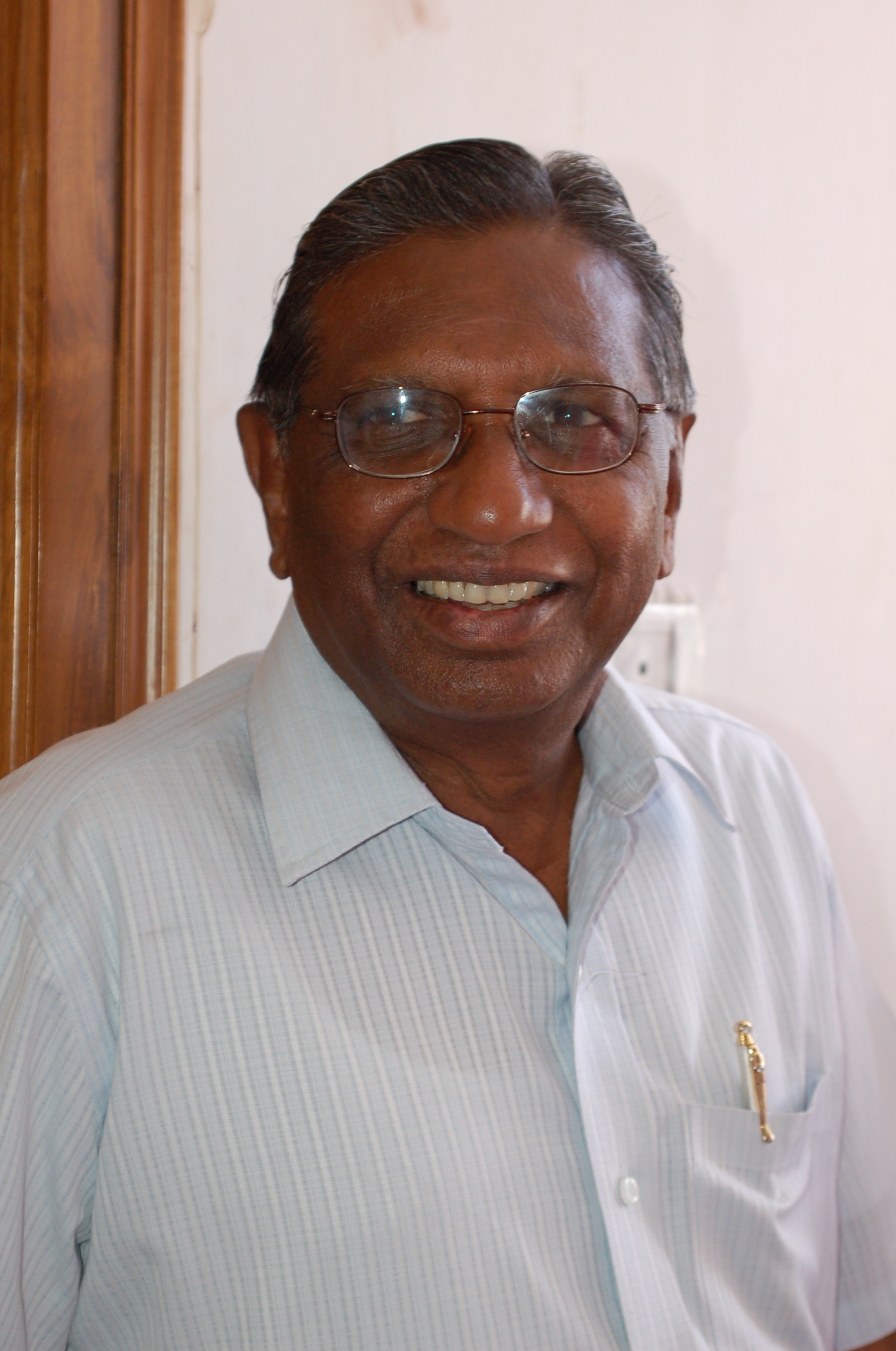
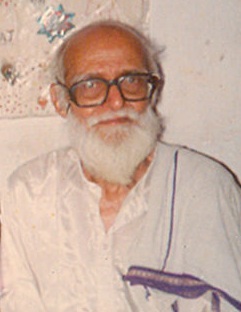
An economist, teacher and former Kakatiya University vice-chancellor who argued the case for Telangana across decades, especially around water, employment and regional inequality. He died in 2011, before statehood.
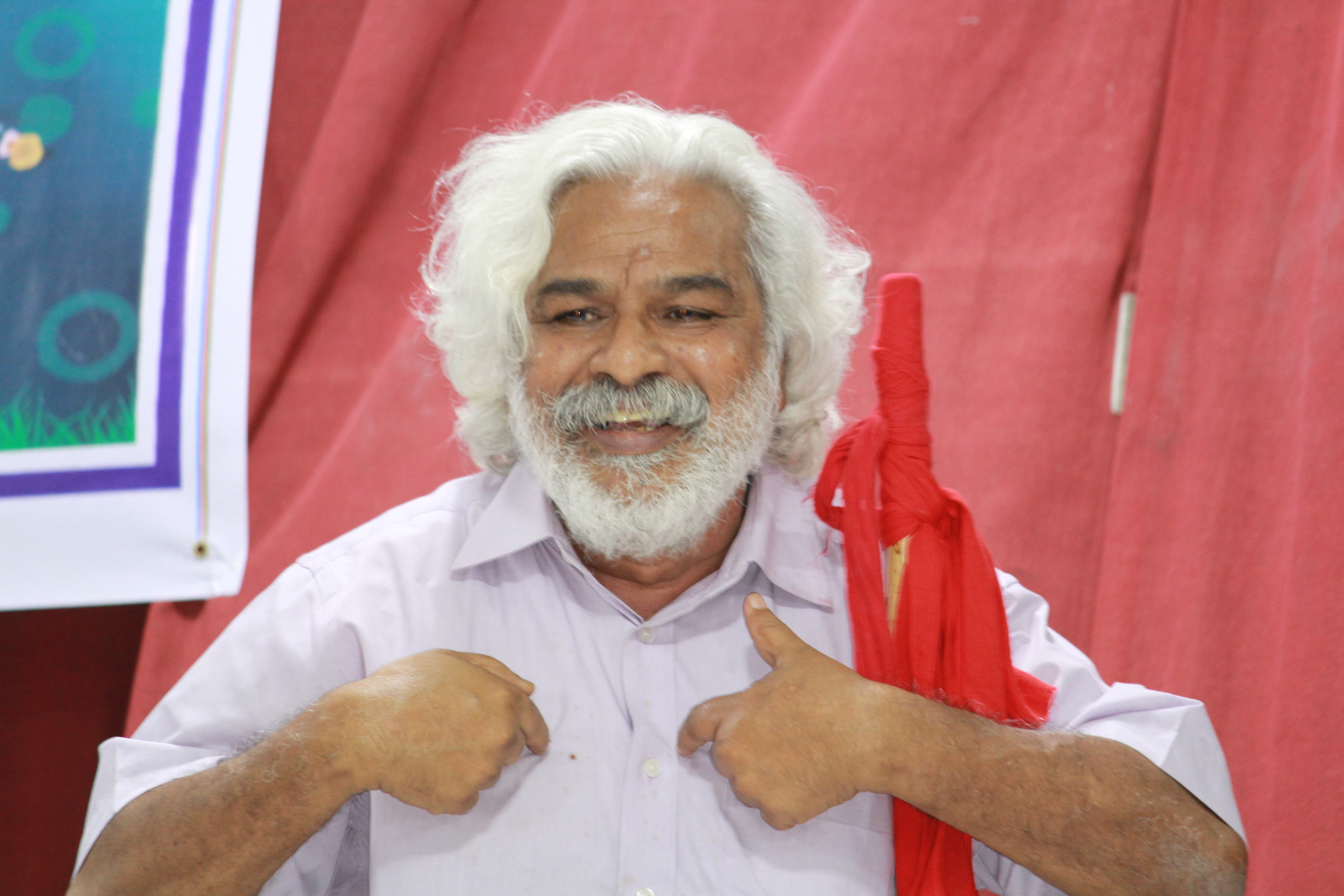
Born Gummadi Vittal Rao, Gaddar carried social protest and Telangana aspirations through performance. “Podustunna Poddu Meeda” became one of the songs closely associated with the statehood movement.
His “Jaya Jayahe Telangana” expressed the landscape and identity of Telangana during the movement. The song was formally adopted as the state song in 2024.
His writing and singing brought village life, agrarian distress and Telangana speech onto public stages. “Palle Kanneeru Pedutundo” became emblematic of the cultural current around the movement.
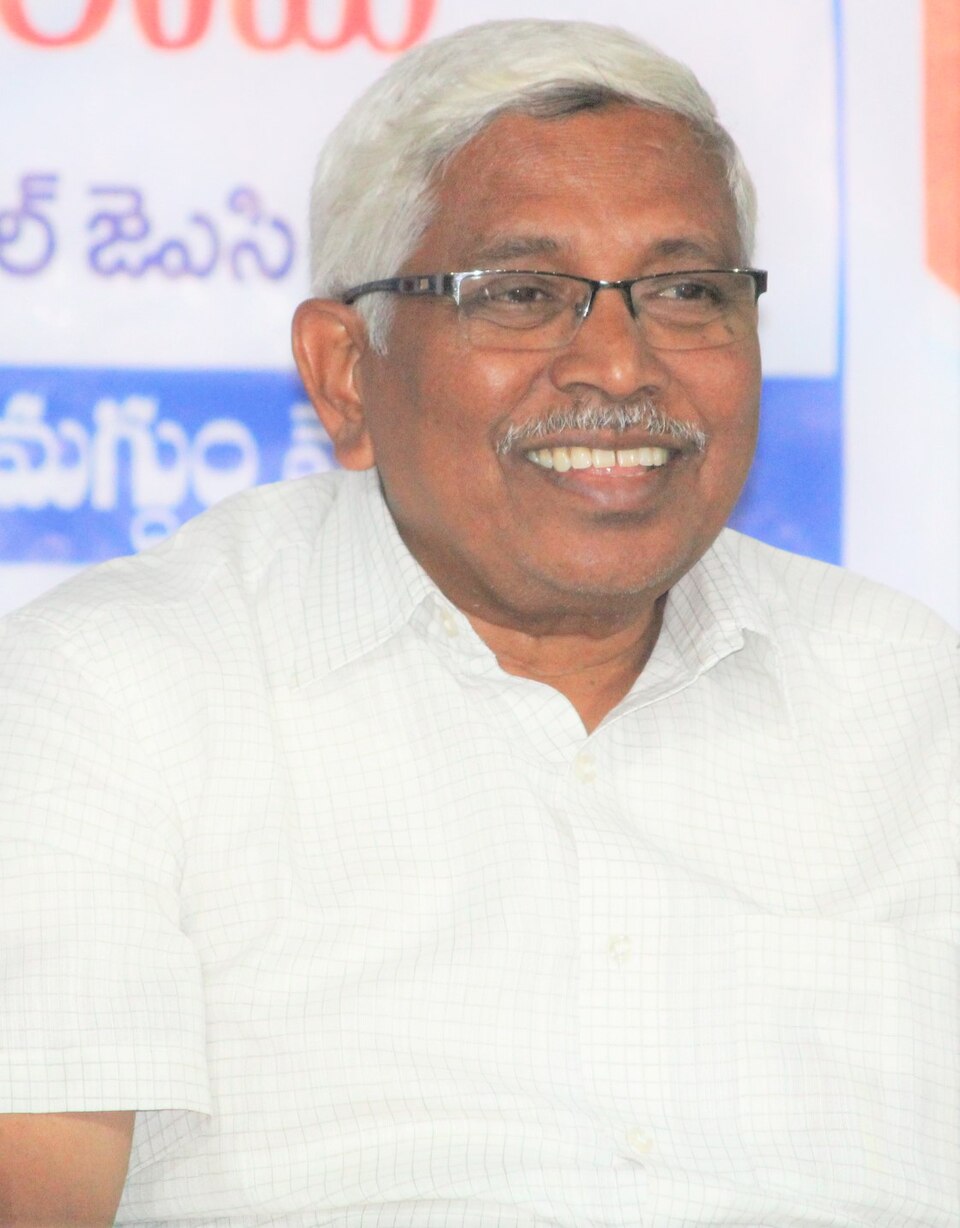
As TJAC convenor, the Osmania University professor helped bring students, employees, civil-society groups and political parties into a broad platform after December 2009.
A freedom fighter and minister who resigned from the Andhra Pradesh cabinet in 1969 in support of Telangana. He remained associated with the demand for a separate state across generations.
A young activist whose death after self-immolation during protests in late 2009 became one of the movement’s most painful and galvanising moments. This history should be remembered without romanticising self-harm.
Led the Telangana Praja Samithi during the 1969 phase. The party channelled the agitation into electoral politics and won most Telangana Lok Sabha seats it contested in 1971 before later merging with Congress.
A poet, freedom fighter and civil-liberties voice whose Telangana idiom shaped regional self-respect. His birthday is observed by the state as Telangana Language Day.
This place is reserved for your father’s story. To keep it genuine, the page will only publish details you provide: his full name, home area, years of participation, what he did, people who can confirm it, photographs or records, and where he is now.
These summaries use official records and established reporting. They distinguish documented events from family testimony. Movement history can be contested; corrections and additional sources should be recorded transparently.